
Food
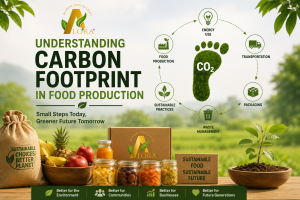
ආහාර නිෂ්පාදනයේ Carbon Footprint (කාබන් පියසටහන) අවබෝධ කරගනිමු
එය වැදගත් වන්නේ ඇයි? අද ලෝකය පරිසර හිතකාමී දිශාවකට ගමන් කරන විට, “Carbon Footprint” (කාබන්
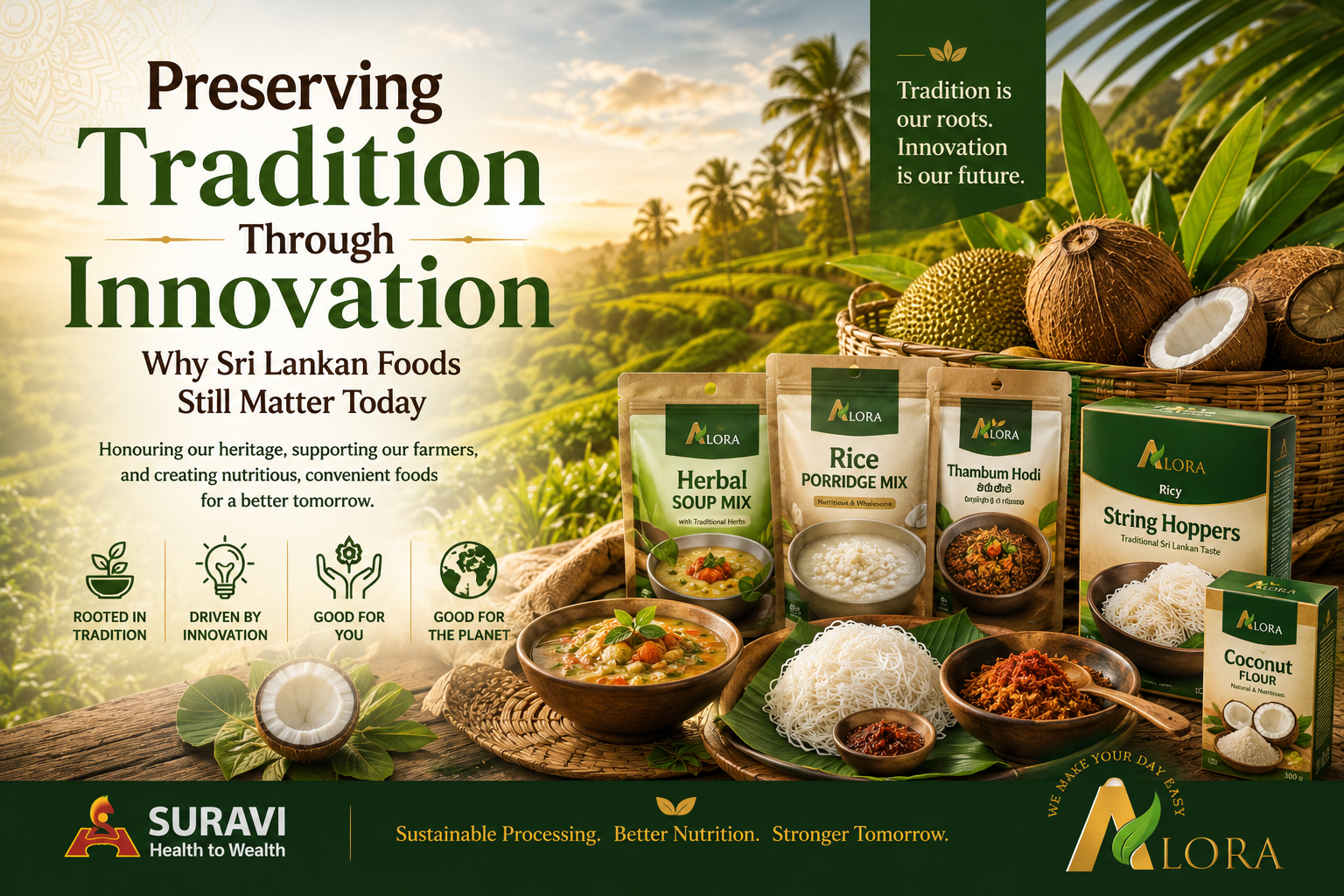
In a world where convenience often takes priority over tradition, many time-honored food practices are gradually being replaced by highly processed alternatives. Yet, traditional Sri Lankan foods continue to offer something invaluable—natural nutrition, cultural heritage, and a connection to generations of local knowledge.
As lifestyles become increasingly busy, the challenge is not whether traditional foods remain relevant, but how we can preserve and adapt them for modern consumers. This is where innovation plays an important role.
Sri Lankan cuisine has evolved over centuries, shaped by agriculture, biodiversity, and traditional wisdom. From nourishing rice porridge and herbal soups to coconut-based foods and spice blends, many traditional recipes were developed not only for taste but also for their nutritional value.
These foods often feature:
Long before modern nutrition science became widespread, Sri Lankan communities understood the importance of using food to support overall well-being.
Today’s consumers face different challenges. Busy work schedules, urban living, and limited time for food preparation have increased demand for quick and convenient meal solutions.
As a result, many traditional foods that require significant preparation time are consumed less frequently despite their nutritional benefits.
This shift presents an important question:
How can we preserve traditional food culture while meeting the needs of modern lifestyles?
Food innovation does not mean abandoning tradition. Instead, it involves finding better ways to make traditional foods more accessible, convenient, and sustainable.
Modern food processing techniques can help:
When applied responsibly, innovation allows consumers to enjoy traditional foods without sacrificing quality or authenticity.
Value-added food processing creates opportunities to transform traditional ingredients into practical products suited to today’s lifestyles.
Examples include:
These products help preserve traditional flavors while offering the convenience modern consumers expect.
Preserving traditional foods also supports local agricultural systems. Many traditional recipes rely on ingredients sourced from Sri Lankan farmers, creating demand for local produce and helping strengthen rural livelihoods.
By encouraging the use of indigenous crops and locally grown ingredients, value-added food products contribute to:
Traditional Sri Lankan foods represent more than recipes—they embody culture, knowledge, and a sustainable approach to nourishment that has been refined over generations.
As consumer preferences evolve, innovation provides an opportunity to preserve these traditions while making them relevant for modern life.
At Suravi Holdings, we believe that the future of food lies in combining the wisdom of tradition with the possibilities of innovation. By creating convenient, value-added food products based on local ingredients and traditional knowledge, we aim to help preserve Sri Lanka’s rich food heritage for generations to come.
The preservation of traditional foods is not simply about protecting the past. It is about building a healthier, more sustainable future that respects cultural heritage while embracing modern solutions.
By connecting tradition with innovation, we can ensure that the foods that nourished previous generations continue to benefit the generations yet to come.
අද වේගයෙන් වෙනස් වන ලෝකයේ, පහසුව සහ කාර්යක්ෂමතාවය බොහෝ විට සම්ප්රදායන්ට වඩා ප්රමුඛත්වය ලබා ගනී. එහි ප්රතිඵලයක් ලෙස පරම්පරා ගණනාවක් පුරා අපගේ ආහාර සංස්කෘතියේ කොටසක් වූ බොහෝ සම්ප්රදායික ආහාර ක්රම ක්රමයෙන් අඩුවෙමින් පවතී. එහෙත් ශ්රී ලාංකීය සම්ප්රදායික ආහාර තවමත් අපට ලබා දෙන්නේ පෝෂණය පමණක් නොව, සංස්කෘතික උරුමය සහ පරම්පරා ගණනාවක අත්දැකීම් වලින් ගොඩනැගුණු දැනුමයි.
නවීන ජීවන රටාවන් සමඟ ගැලපෙන අතරම මෙම වටිනා ආහාර උරුමය ආරක්ෂා කරගැනීම අද අප සැමගේ වගකීමකි. ඒ සඳහා නවෝත්පාදනය වැදගත් භූමිකාවක් ඉටු කරයි.
ශ්රී ලංකාවේ ආහාර සංස්කෘතිය සියවස් ගණනාවක් පුරා ගොඩනැගී ඇත්තේ කෘෂිකර්මාන්තය, ස්වභාවික සම්පත් සහ දේශීය දැනුම මත පදනම්වය. කොළ කැඳ, ඖෂධීය සුප්, පොල් ආශ්රිත ආහාර, කුළුබඩු මිශ්රණ සහ විවිධ ධාන්ය ආහාර රසවත් වීම පමණක් නොව සෞඛ්ය සම්පන්න ජීවිතයකටද දායක වේ.
මෙම ආහාරවල පොදු ලක්ෂණ වන්නේ:
නූතන පෝෂණ විද්යාව වර්ධනය වීමටත් පෙර අපගේ මුතුන්මිත්තන් ආහාරයේ සෞඛ්යමය වැදගත්කම හඳුනාගෙන තිබුණි.
අද බොහෝ දෙනා කාර්යබහුල ජීවිතයක් ගත කරති. රැකියා, අධ්යාපනය සහ නාගරික ජීවිතයේ කාර්යබහුලත්වය නිසා ආහාර පිළියෙල කිරීමට වැය කළ හැකි කාලය සීමා වී ඇත.
එම නිසා ඉක්මනින් පිළියෙල කළ හැකි ආහාර සඳහා ඉල්ලුම වැඩි වී ඇති අතර, පෝෂණ ගුණයෙන් ඉහළ සම්ප්රදායික ආහාර බොහෝ විට අඩු වශයෙන් භාවිතා වේ.
එබැවින් වැදගත් ප්රශ්නයක් මතුවේ.
සම්ප්රදායික ආහාරවල වටිනාකම ආරක්ෂා කරගනිමින් ඒවා නවීන ජීවන රටාවට ගැලපෙන ලෙස ලබාදිය හැක්කේ කෙසේද?
නවෝත්පාදනය යනු සම්ප්රදාය අත්හැරීම නොවේ. එය සම්ප්රදායික ආහාර වඩාත් පහසුවෙන් භාවිත කළ හැකි, ආරක්ෂිත සහ දිගුකාලීනව පවත්වා ගත හැකි ආකාරයකට පරිවර්තනය කිරීමයි.
නවීන ආහාර සැකසුම් තාක්ෂණයන් මඟින්:
නිවැරදි ලෙස භාවිත කරන විට නවෝත්පාදනය මඟින් සම්ප්රදායේ ගුණාත්මකභාවය සහ ස්වභාවිකත්වය රැකගෙන එය නව පරම්පරාවට සමීප කළ හැකිය.
අද බොහෝ සම්ප්රදායික ආහාර නවීන පාරිභෝගිකයාට ගැලපෙන ආකාරයෙන් සකස් කර ඇත.
උදාහරණ ලෙස:
මෙවැනි නිෂ්පාදන මඟින් සම්ප්රදායික රසය සහ පෝෂණය ආරක්ෂා කරගනිමින් නවීන ජීවිතයට ගැලපෙන පහසුව ලබා දේ.
සම්ප්රදායික ආහාර ආරක්ෂා කිරීම යනු දේශීය ගොවීන්ගේ ජීවනෝපාය ආරක්ෂා කිරීමද වේ. ශ්රී ලාංකීය ආහාරවල බොහෝ අමුද්රව්ය දේශීය ගොවීන්ගෙන් ලබාගන්නා බැවින් ඒවා සඳහා ඇති ඉල්ලුම ග්රාමීය ආර්ථිකය ශක්තිමත් කරයි.
මෙම ක්රියාවලිය මඟින්:
ශ්රී ලාංකීය සම්ප්රදායික ආහාර යනු ආහාර පමණක් නොවේ. ඒවා අපගේ සංස්කෘතිය, දේශීය දැනුම සහ පරම්පරා ගණනාවක් පුරා ගොඩනැගුණු සෞඛ්ය සම්පන්න ජීවන රටාවක ප්රතිබිම්බයකි.
අද පාරිභෝගික අවශ්යතා වෙනස් වුවද, නවෝත්පාදනය මඟින් මෙම ආහාර උරුමය නව පරම්පරාවට ගැලපෙන ආකාරයෙන් සුරැකිය හැකිය.
Suravi Holdings හි අප විශ්වාස කරන්නේ අනාගතයේ ආහාර කර්මාන්තය ගොඩනැගිය යුත්තේ සම්ප්රදායික දැනුම සහ නවීන ආහාර සැකසුම් තාක්ෂණය එකට එක් කරමින් බවයි. දේශීය අමුද්රව්ය සහ ශ්රී ලාංකීය ආහාර උරුමය මත පදනම් වූ වටිනාකම එකතු කළ ආහාර නිෂ්පාදන තුළින්, අපගේ අරමුණ වන්නේ මෙම උරුමය අනාගත පරම්පරාවන් සඳහා සුරැකීමයි.
සම්ප්රදායික ආහාර ආරක්ෂා කිරීම යනු අතීතය පමණක් සුරැකීම නොවේ. එය සංස්කෘතික උරුමයට ගරු කරමින්, නවීන අවශ්යතා සමඟ ගැලපෙන සෞඛ්ය සම්පන්න සහ තිරසාර අනාගතයක් ගොඩනැගීමයි.
සම්ප්රදාය සහ නවෝත්පාදනය එකට ගෙන එන විට, පසුගිය පරම්පරාවන් පෝෂණය කළ ආහාර අනාගත පරම්පරාවන්ටද ප්රයෝජනවත් වනු ඇත.
එය වැදගත් වන්නේ ඇයි? අද ලෝකය පරිසර හිතකාමී දිශාවකට ගමන් කරන විට, “Carbon Footprint” (කාබන්
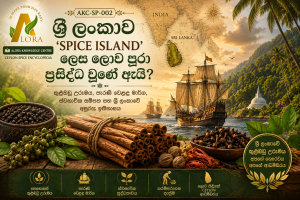
Alora හි අපිද ශ්රී ලංකාවේ ස්වභාවික ආහාර සහ කුළුබඩු උරුමය නවීන ජීවන රටාවට ගැළපෙන ආකාරයෙන් ලෝකයට හඳුන්වා දීමේ ගමනක නිරත වෙමු.