
Community & CSR
කඨින සමය – ශ්රද්ධාවෙන්, දන්දීමෙන් සහ යහපත් ප්රතිපත්තියෙන් ජීවිතය සරු කරගනිමු
පින් බෙදාගනිමු… පෝෂණයත් සමඟ. නිකිණි පුර පසළොස්වක පොහෝ දිනයෙන් ආරම්භ වන කඨින සමය ශ්රී ලාංකීය

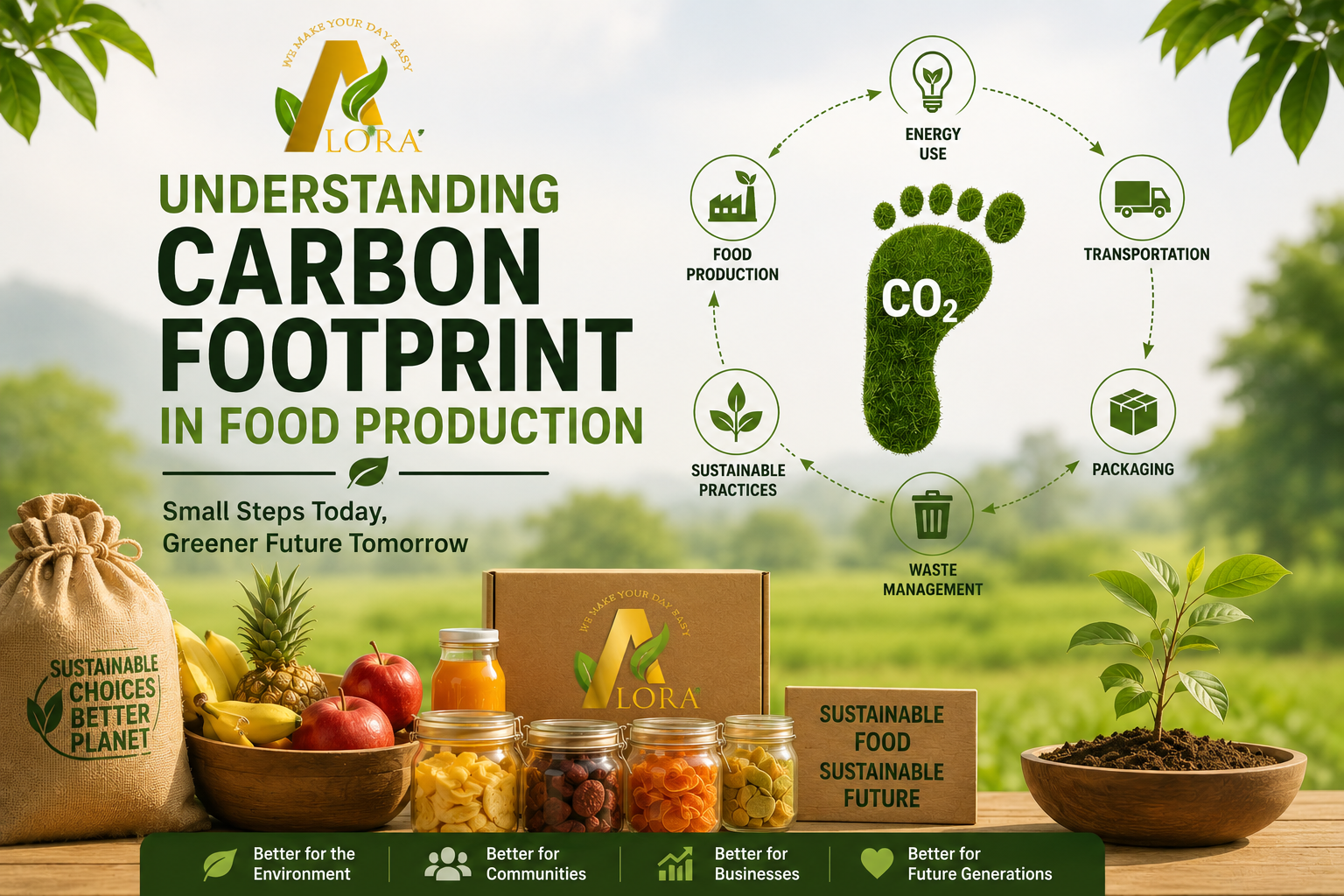
Why It Matters for Businesses, Farmers, and the Future
As the world becomes more environmentally conscious, the term “carbon footprint” is becoming increasingly important in agriculture and food production. Consumers, export markets, supermarkets, and international buyers are now paying close attention not only to product quality, but also to how products affect the environment.
For food producers and agricultural businesses in Sri Lanka, understanding and reducing carbon footprint is becoming an important step toward sustainable growth and future market opportunities.
What is a Carbon Footprint?
A carbon footprint is the total amount of greenhouse gases released into the environment due to an activity, product, or process. These gases mainly include:
In simple terms, it measures how much a product or activity contributes to climate change.
For example, in food production, carbon emissions can come from:
Every step from farm to consumer has an environmental impact.
Why is Carbon Footprint Important?
Today, many countries and customers prefer environmentally responsible products. Businesses with lower carbon footprints are often seen as:
✅ More sustainable
✅ More trustworthy
✅ Export-ready
✅ Future-focused
✅ Environmentally responsible
Reducing carbon footprint helps:
Many global supermarkets and buyers now ask suppliers about sustainability practices and environmental impact.
Carbon Footprint in the Food Industry
The food industry has a major impact on the environment. Large amounts of energy, water, fuel, and packaging are used every day.
However, sustainable food production methods can significantly reduce environmental impact.
Examples include:
Why Sri Lankan Businesses Should Focus on It
Sri Lanka has a strong advantage in natural agriculture and traditional food systems. Many local products already use:
This creates an opportunity for Sri Lankan brands to position themselves as environmentally responsible and sustainable.
As export markets continue to grow, sustainability may become not only an advantage but also a requirement.
How Businesses Can Reduce Carbon Footprint
Businesses can start with simple practical steps:
1. Reduce Energy Consumption
Use energy-efficient equipment and reduce unnecessary electricity usage.
2. Minimize Food Waste
Convert excess harvests into value-added products such as dehydrated foods, powders, or snacks.
3. Support Local Farmers
Buying locally reduces transportation emissions and strengthens rural communities.
4. Use Sustainable Packaging
Reduce plastic usage and move toward recyclable or eco-friendly materials.
5. Improve Production Efficiency
Modern food processing methods can reduce waste while preserving quality.
6. Consider Renewable Energy
Solar power and energy-saving systems can reduce long-term environmental impact.
Carbon Footprint and the Future of Food
Sustainability is no longer just a trend — it is becoming part of the future of business.
Consumers today want products that are:
Businesses that start adopting environmentally responsible practices today may gain stronger customer trust and better opportunities tomorrow.
Suravi Holdings’ Vision Toward Sustainability
At Suravi Holdings, we believe that food production should support both people and the environment.
Through value addition, reducing post-harvest waste, supporting farmers, and developing natural food products, we aim to contribute toward a more sustainable future for Sri Lanka.
Our journey toward sustainability continues with learning, innovation, and responsible food production practices.
Conclusion
Understanding carbon footprint is important for every modern business, especially in the food and agriculture sector.
Reducing environmental impact is not only about protecting nature — it is also about creating stronger businesses, healthier communities, and better opportunities for future generations.
Small steps taken today can create a meaningful impact tomorrow.
පින් බෙදාගනිමු… පෝෂණයත් සමඟ. නිකිණි පුර පසළොස්වක පොහෝ දිනයෙන් ආරම්භ වන කඨින සමය ශ්රී ලාංකීය
අපේ මුතුන්මිත්තන් දවස ආරම්භ කළ ලුණු කැඳ – අදටත් වටිනා ශ්රී ලාංකීය උරුමයක් “කාලයත් සමඟ